
Hume Balcony Bird Netting
Hume balcony bird netting offers reliable protection against pests with durable, wildlife-friendly materials designed for Australian homes. Our premium bird netting solutions help keep your garden and outdoor spaces safe and clean.
Call Now!
Protecting Your Hume Balcony from Birds
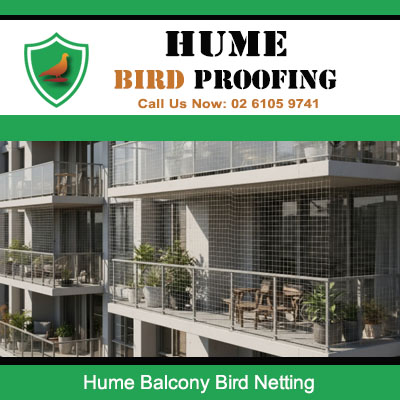
What are the common bird-related problems faced by Hume balcony owners?
Birds can cause several problems for people with balconies in Hume. These issues include damage to the balcony, health risks, and extra cleaning work. Bird droppings can stain surfaces and create unhygienic conditions. Birds may also build nests or visit often, which can harm the structure.
Common problems include:
- Damage: Birds pecking or nesting can break parts of the balcony.
- Droppings: Droppings build up, causing health risks and needing regular cleaning.
- Hygiene: Droppings can attract pests and spread disease, which is bad for residents’ health.
- Nuisance: Noise and mess from birds can make it hard to enjoy your outdoor space.
Many homeowners use bird netting to protect their balconies. This helps keep wildlife away and improve home hygiene and outdoor safety.
What types of birds commonly target balconies in Hume?
Several bird species in Hume and Australia often come to balconies. Knowing these birds helps pick the right way to control them.
Common birds include:
- Pigeons: They nest and rest on ledges, leaving droppings and noise behind.
- Cockatoos: These smart birds may peck at wood and cause loud disturbances.
- Seagulls: Found near coastal areas, seagulls scavenge and leave rubbish around.
These birds are clever and persistent, making them hard to control. Their nesting and resting habits can cause ongoing problems. Bird protection should consider the types of birds and their behaviour for good results.
How does bird activity affect the cleanliness and aesthetics of your outdoor space?
Birds on balconies affect how clean and nice your outdoor space looks. Their droppings stain paint, metal, and concrete. This causes damage and means more cleaning and repairs. Birds can also stop you using your balcony comfortably.
Effects on cleanliness and appearance:
- Bird droppings: Stain surfaces and cause bad smells, lowering hygiene.
- Maintenance needs: More cleaning and fixing are needed to keep the area usable.
- Aesthetic impact: Droppings and damage make balconies look untidy and reduce property value.
- Health risks: Droppings can carry germs and parasites that harm people’s health.
Using good-quality balcony bird netting blocks birds from entering. This keeps your outdoor space clean and looking good. It also creates a safer and healthier place to enjoy.
Have you seen bird problems on your balcony? Share your thoughts or questions below. For expert advice on strong and safe Hume balcony protection, contact us today.
Choosing the Right Bird Netting for Your Hume Balcony
Choosing the right balcony bird netting is important for good bird protection. For your Hume balcony, think about some key points to make sure the netting is safe, strong, and works well. The right net stops birds like pigeons, cockatoos, and seagulls from coming in without hurting them or your outdoor area.
Here are the main things to consider:
- Mesh Size: Pick mesh size depending on the type of birds near you. Small mesh (19mm or 25mm) stops small birds, and bigger mesh (32mm, 35mm, 50mm) suits larger birds.
- Material: Choose materials that last long and resist outdoor weather. Common materials are nylon, stainless steel, aluminium, and HDPE.
- Durability: Make sure the netting can handle tough Australian weather without ripping or fading.
- Safety: Use bird netting that is safe for both animals and people, with no sharp edges or loose parts.
- Effectiveness: Make sure the net covers the whole balcony without gaps.
- Price: Look for fair prices but do not sacrifice quality.
- Sustainability: Pick eco-friendly materials where possible to help the environment.
- Design: Choose netting that fits your balcony style and does not affect its look too much.
- Customer Care: Buy from sellers who offer advice, installation help, and support after purchase.
By keeping these points in mind, you can find the best balcony netting to suit your needs and keep your outdoor space free of birds.
What factors should guide your selection?
When choosing Hume balcony bird netting, think about these important factors:
- Bird Species: Know which birds are a problem. Different birds need different mesh sizes.
- Mesh Size: Smaller mesh blocks small birds but may cost more.
- Durability: The material must stand up to sun, rain, and wind common in Australia.
- Material: Nylon and HDPE are light and affordable; stainless steel and aluminium last longer.
- Safety: The netting should be non-toxic and have no sharp edges.
- Effectiveness: The net should cover the area fully and be installed well to stop birds getting in.
- Price: Find a balance between cost and quality for lasting protection.
- Weather Resistance: The netting should handle UV rays, moisture, and temperature changes.
- Sustainable Options: Choose green materials to help protect the environment.
- Design Compatibility: Pick netting that looks neat and suits your balcony style.
- Customer Care: Select suppliers who provide clear product info, support, and guarantees.
These factors will help you choose the best balcony bird netting for your home.
What materials are best suited for different balcony sizes and designs?
The material you pick depends on your balcony size, shape and bird protection needs. Here is a simple guide:
- Nylon: Light and flexible, good for small to medium balconies. Easy to put up. Great for DIY.
- HDPE (High-Density Polyethylene): Strong and UV-resistant. Good for medium to large balconies outdoors.
- Stainless Steel: Very strong and lasts a long time. Best for large balconies or where big birds like cockatoos are a problem.
- Aluminium: Does not rust, light but strong. Works well with modern balcony styles.
- Plastic Reinforced Netting: Mixes strength and flexibility. Fits different balcony shapes.
For small balconies, nylon or HDPE works well. Big balconies or areas with tough weather need heavy-duty materials like stainless steel or aluminium. Also, think about your skills and tools if you want to install the net yourself.
How does mesh size impact effectiveness against various bird species?
The size of the mesh affects how well the bird netting works against different birds common in Australia:
- 19mm Mesh: Stops small birds like sparrows and finches.
- 25mm Mesh: Works well for medium birds such as pigeons.
- 32mm and 35mm Mesh: Good for bigger birds like cockatoos and seagulls.
- 50mm Mesh: Used when keeping out large birds, but small birds are less of an issue.
Picking the right mesh size keeps birds off your balcony while allowing air and light through. For example, pigeon control usually needs 25mm mesh, while cockatoos require bigger, stronger mesh.
Using the correct mesh size also helps control pests and makes the netting last longer by stopping birds from trying to get in.
Where can I find bird netting in different sizes?
In Australia, you can buy balcony bird netting in many sizes and types at several shops and online:
- Bunnings and Mitre 10: Have a range of balcony netting kits and spools in standard sizes.
- Ebay and Amazon Australia: Offer custom lengths, various mesh sizes, and brands.
- Online Marketplaces: Good for delivery and comparing prices and materials.
- Trade Suppliers: Best for big projects and professional fitting.
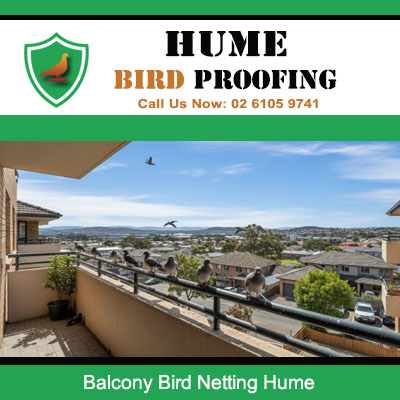
You can find mesh thicknesses of 3mm, 5mm, and 8mm, with lengths from 30cm to full spools that cover many metres. Kits often include tools and customer service help.
When buying, try to choose Australian-made products for better quality and faster delivery. Compare prices, read reviews, and check shipping times to pick the best option.
If you have questions about choosing the right bird netting for your Hume balcony, share your thoughts or ask us below! For expert help and quality bird protection, contact Hume Bird Proofing today.
Installing Hume balcony bird netting is a good way to keep birds away from your outdoor area. bird netting for balconies stops birds without hurting them or damaging your home. use this easy guide to install balcony netting with the right tools and strong materials.
Choosing the best Hume balcony netting solutions helps make sure your balcony stays safe and the netting lasts a long time. using hardware like stainless steel wire, aluminium eyelets, turnbuckles, and plastic cable crimps makes the net strong and weatherproof. you can do it yourself or get professional help. knowing the right steps and what equipment to use will make the job easier and safer.
What are the steps for proper installation?
Follow these steps to install balcony bird netting properly:
- measure the area – measure your balcony carefully to cut the netting to the correct size.
- prepare tools and materials – get screws, fasteners, stainless steel wire, aluminium eyelets, turnbuckles, rope, and plastic cable crimps ready.
- mark fixing points – choose where to put the mounting hardware around your balcony frame so the netting fits well.
- install fasteners and eyelets – screw in the fasteners and eyelets on walls or frames, using the right anchors to avoid damage.
- attach stainless steel wire or rope – thread wire or rope through eyelets, tighten it using turnbuckles and crimps.
- fit the netting – stretch the bird netting over your balcony opening, attaching it firmly to the wire or rope.
- secure edges – use plastic clips or staples to fix the edges of the netting and block any gaps.
- check safety and fit – make sure the netting is tight and there are no loose spots where birds can get in.
this simple step-by-step guide helps you protect your balcony safely and easily.
What tools and materials will i need for a diy installation?
For a diy balcony bird netting installation, you will need:
- drill and screwdriver
- screws, fasteners, hooks, and anchors that suit your balcony type
- stainless steel wire or nylon twine for strong support
- aluminium and plastic eyelets and turnbuckles to keep tension
- plastic cable crimps to hold wires or ropes firmly
- staple gun or clips for fixing net edges
- good-quality bird netting made for balcony use
- measuring tape and marker for accurate work
Using a kit made for Hume balcony bird netting can make assembly quicker and easier. follow the instructions carefully to make sure everything fits and stays secure.
How can i ensure the netting is securely attached without damaging the building structure?
To protect your balcony and the building, follow these tips:
- pick fasteners that work with your balcony material like aluminium, timber, or concrete. for example, use wall anchors or expansion screws on masonry.
- do not tighten screws or hardware too much to stop cracks or damage.
- put eyelets and turnbuckles where the structure can handle the pull evenly.
- use stainless steel wire instead of nails or staples on weak surfaces.
- check local building rules to meet safety standards.
- look over the netting and hardware regularly for damage or loose parts.
By choosing the right spots and hardware, you keep your balcony safe without hurting the building.
Are there professionals for balcony bird netting installs in Hume?
Yes, many good professionals in Hume offer balcony bird netting installation. hiring an expert has benefits like:
- they check your balcony and suggest the best netting choices
- they install the netting with quality tools and materials
- they follow local safety and building rules
- they provide customer support, including warranties and aftercare
- they give affordable quotes that match your needs
Look for contractors with good reviews, proper trade certificates, and experience with Hume balcony bird netting. local experts know the common issues in Hume homes and offer trusted, long-lasting service.
If you want your balcony bird netting put up safely and quickly, think about hiring a professional. contact one today for a quote or advice for your home.
Have questions about installing bird netting on your balcony? please leave a comment or ask for help below! your feedback helps us give better advice for your home improvement projects.
Maintaining Your Bird Netting for Longevity
How often should I clean it, and what's the best method?
Cleaning your bird netting regularly helps keep it strong and working well. For outdoor areas like balconies, clean the netting every 3 to 6 months or after bad weather to clear away dirt and debris. Here is an easy DIY way using simple tools:
- Use a soft brush or broom to gently brush off leaves, dust, and other dirt.
- Spray the netting with water, using a garden hose on low pressure to avoid damage.
- For tough dirt, use a mild, non-toxic cleaning solution that is safe for outdoor use. Do not use harsh chemicals as they can weaken the mesh.
- Let the netting dry fully before putting it back or folding it away.
In Australia’s climate, regular cleaning helps your bird netting stay weather-resistant and safe. If you need advice, contact customer care for cleaning tips and product recommendations made for your setup.
What are common signs of damage, and how can they be repaired?
Check your bird netting often to find damage early. Look for holes, tears, or worn mesh caused by daily wear or weather. Here is how you can spot and fix these issues:
- Look closely for holes or frayed areas during your checks. Also, check if fasteners and attachments like nylon swages, crimps, and stainless steel wire are loose or rusty.
- Small holes can be fixed with mesh repair kits or sewn up using strong nylon thread.
- Big tears may need you to replace parts of the netting or get professional help.
- Change any broken hardware such as cable clamps or fasteners to keep the net tight and secure.
Fixing your bird netting properly with good tools and parts helps it last longer and stops more damage from happening.
How long can I expect bird protection to last with proper maintenance?
With good care, your bird protection can last many years. Using quality materials and keeping up with cleaning and repairs helps the netting last longer. Key points that affect lifespan include:
- Weather resistance: UV protection and waterproof coatings protect the netting from sun, rain, and wind damage.
- Material quality: Strong mesh and rust-proof hardware stop early wear.
- Regular cleaning and fast repairs slow down wear and tear.
Most well-maintained bird nettings in Australia, such as Hume balcony bird netting, last between 7 and 10 years or more. Many products offer warranties to show their quality. This makes them a cost-effective way to keep birds away from your home or garden.
What maintenance products should I use?
Using the right products helps keep your bird netting safe and in good condition. Here are some to consider:
- Non-toxic cleaning solutions that are gentle on the mesh and safe for wildlife.
- Anti-fungal and anti-mould sprays to stop growth in damp spots.
- Waterproof sprays to improve water resistance and extend netting life.
- UV protectants to guard against sun damage in Australia's strong sunlight.
- Lubricants for moving hardware to keep parts working smoothly and stop rust.
Always pick products made for outdoor use and safe for synthetic mesh. Using the correct tools and protective coatings makes bird netting care easier and helps with home and garden upkeep.
Have you checked your bird netting recently? Share your tips or ask questions below! For expert advice or product suggestions, contact our team at Bird Proofing Hume, we help Australian homes stay bird-free with quality solutions.
Hume Bird Control Beyond Netting
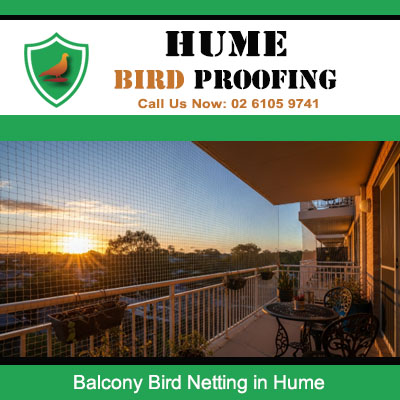
Are there other measures that can be used in addition to netting for comprehensive bird deterrents?
Netting works well to keep birds off balconies, but adding other methods can improve bird protection. Using balcony bird netting or bird netting Hume creates a strong barrier. For better pest control, also try tools and products that are humane and wildlife friendly.
Other options include:
- Visual bird deterrents, like shiny tapes or fake predators, to scare birds away.
- Sound devices that play predator calls or high-pitched sounds; they do not harm pets but bother birds.
- Physical barriers like spikes or angled wires that stop birds from landing without hurting them.
- Regularly cleaning balconies to remove food and nesting materials.
Using these together with trusted brands like Pestrol helps with home improvement that keeps your space safe and clean. This approach is common in Australia, where caring for urban wildlife is important.
What are some humane ways to discourage birds from landing on my balcony?
Choosing humane bird control helps protect both birds and pets. Along with Hume bird netting, there are gentle ways to stop birds from landing.
Try these safe options:
- Install balcony bird net to block birds without trapping them.
- Use natural repellents such as citrus peels or vinegar sprays, which birds avoid.
- Add landscaping with certain plants to make the area less inviting.
- Set up motion-activated sprinklers or soft sound devices to encourage birds to leave.
- Keep your balcony clear of food and water to avoid attracting birds.
These methods provide safe bird protection that is pet-friendly and good for the environment. Many in Australia use these ideas for home improvement while respecting wildlife.
How do I prevent birds from nesting in my balcony area?
Stopping birds from nesting means using smart bird prevention with good quality bird netting for balconies. Using bird netting Hume made for balconies is an important step in effective pest control.
To prevent nests:
- Cover likely nesting spots with netting for balconies to keep birds out.
- Remove or tie up loose materials birds might use to build nests.
- Clean your balcony often to discourage birds.
- Use bird protection products recommended by Pestrol, which are safe and reliable.
- Add gentle deterrents like shiny objects or fake predator figures.
These steps keep your balcony free from nests in a humane way that fits well with Australian outdoor spaces. The goal is to stop birds from settling without harming them and to support local wildlife.
How can landscaping help deter birds from balconies?
Good landscaping can help with bird protection and pest control on balconies. Making a wildlife garden with the right plants supports a healthy balance and can keep unwanted birds away.
Here are some landscaping tips:
- Plant shrubs and flowers that birds dislike or that attract their natural enemies.
- Use prickly or rough plants near balcony edges to stop birds from landing.
- Choose native Australian plants and use sustainable gardening methods.
- Combine greenery with balcony bird net for more protection.
- Avoid plants that produce fruits or seeds that attract birds.
Landscaping not only protects your balcony but also improves your garden and helps local wildlife. It is a green choice that fits with home improvement ideas and respects Australia’s environment.
Have you tried bird control on your balcony? Share your tips or questions below, we’d love to hear what works for you!
For more advice and reliable products, contact the experts at Hume Bird Proofing. They offer humane bird deterrent plans that suit your home.
What types of bird netting work best for balconies?
Bird nets made from nylon or polyethylene with mesh sizes between 3mm and 8mm work well for balconies. They keep birds like pigeons, cockatoos, and seagulls out while letting air and light through, making them good for gardens and outdoor areas.
Can I install bird netting on my balcony myself?
Yes, installing bird netting yourself is easy with the right tools such as turnbuckles, stainless steel wire, and crimps. Installation kits and clear instructions help you fix the net tightly around your balcony.
Are bird nets safe for local wildlife and pets?
Yes. Good quality nets are safe for native birds and small pets. They meet Australian safety rules and protect your home, garden, and orchard without harming animals.
What materials last longest for bird net curtains or covers?
Netting made from stainless steel wire combined with HDPE (high-density polyethylene) mesh lasts long. These materials resist weather damage, including hail and UV rays. Fire retardant nets and diamond patterns add extra strength, ideal for homes in Victoria and Sydney.
Where can I buy trusted bird netting and accessories in Australia?
You can buy quality bird netting at stores like Bunnings, Mitre 10, and online shops like Amazon and eBay. Look for brands that offer customer support, installation tools, and trade prices if you need large amounts.
How do I care for bird netting to keep it working well?
Check the net often for holes or loose parts. Clean off dirt and tighten any loose fasteners or eyelets. Using paint-safe netting and hardware helps protect balconies, kitchens, and outdoor areas. Good care keeps pests like gall wasps and flies away.
What size mesh should I choose for balcony bird protection?
Mesh sizes from 3mm up to 8mm are common. Smaller openings like 25mm to 32mm work for small birds. Net widths from 30cm to 50cm fit most balconies and let you adjust the net to your space.
How do bird nets help with home improvement and pest control?
Bird nets block pests from damaging wood and aluminium around your home. They stop insects and birds from entering outdoor spaces, lawns, and gardens. This saves cleaning time and helps keep your property in good shape.
For more help or product choices, contact our customer care team.
Hume Balcony Bird Netting Insights
- We offer high-quality balcony Hume netting that protects your outdoor areas from birds and wildlife. Our nets come in durable options such as 3mm to 8mm mesh sizes, including diamond and stainless steel wire styles for different needs.
- Our bird netting in Hume is made from strong HDPE and nylon materials. These nets stand up well to weather like hail and frost. They are also light and easy to install with tools such as turnbuckles, carabiners, and crimps.
- Whether you are a DIY enthusiast or a professional installer, our Hume outdoor netting kits include all the hardware needed for a secure fit on balconies, gardens, and orchards. Mesh sizes range from 19mm to 75mm to match your pest control needs.
- We provide competitive prices on netting for birds that is friendly to wildlife. This makes it a great choice for home improvement projects in Hume ACT 2620 and nearby areas.
- Our customer service team offers full support, including product details, installation help, and warranty information. We deliver reliably through major stores like Bunnings, Mitre 10, Amazon, and eBay.
- The netting bird Hume style works well for many uses, such as covering fruit trees, aquaculture tanks, lawns, and solar panels. We can supply custom lengths in meters to fit any balcony or outdoor spot.
- Our nets use fire retardant and UV-stabilised materials to stay effective over time. We also provide care tips to keep your netting ready to stop seagulls, flies, and other pests.
- We back eco-friendly choices by using recyclable plastic and aluminium parts. Our products can also be combined with shade cloth and blinds to improve your outdoor space’s look.
- Easy-to-follow guides and clear descriptions cover mesh weights like 70gsm and 103gsm. Our nets work with common tools and fasteners, making setup simple.
- Whether you need netting for balconies, wildlife gardens, or farms, we supply strong solutions. These include eyelets, ropes, and wire ropes fit for both home and commercial use, protecting your space from damage.
- Contact us today to see our full range of Hume balcony bird netting options, get a quote, or get expert advice for your project size and pest control goals. Latitude: -35.39416248522323, Longitude: 149.1635672522618