
Hume Commercial Bird Netting
Hume commercial bird netting provides strong, durable protection using heavy duty HDPE mesh designed for industrial and agricultural needs. Our solutions include reliable bird control, pest management, and professional installation across Hume and Australia.
Call Now!
What is Bird Netting and What are its Types?

Bird netting is a simple and effective way to keep birds away from certain areas. It works as a physical barrier that stops birds from entering gardens, farms, commercial buildings, and other places. There are various types of bird nets made for different needs and bird species.
Types of bird netting include commercial netting and netting for birds, both designed for specific uses and environments. Most bird nets are made from high-density polyethylene (HDPE) or polyethylene mesh, which makes them strong and light. These materials also resist weather conditions common in Australia. Black UV stabilised nets are popular because they last longer and blend well into the environment.
Choosing the right bird control netting depends on the area, bird species, and weather exposure. This helps provide effective pest control and long-lasting protection, often supported by warranties from reliable manufacturers.
What materials are used to manufacture bird netting?
Bird netting is made from materials chosen for their strength, durability, and resistance to weather. The main materials used are:
- HDPE (High-Density Polyethylene): Lightweight and strong, it lasts well outdoors.
- Polyethylene: Flexible and sturdy, suitable for many bird control purposes.
- Plastic: Common in low-cost DIY nets but not as durable as polyethylene.
- Stainless steel wire and rope: Used in heavy-duty nets that need extra strength and fire resistance.
- Steel: Sometimes used where very high durability is needed.
- UV stabilised coatings: Help protect nets from sun damage, especially important under Australia’s harsh sunlight.
These materials help the netting stay strong against wind, rain, and sunlight. Quality manufacturing and factory warranties ensure the net will perform well and protect your property.
What are the key features of different mesh sizes available in bird netting?
The size of the mesh holes in bird netting affects how well it works. Different mesh sizes offer different levels of protection based on the type of bird and where the net is used. Important features include:
- 19mm mesh: Made for small birds and pests; this fine mesh stops even tiny birds from getting through.
- 50mm mesh: Used in farming and commercial netting, good for larger birds while letting air and light pass.
- Diamond-shaped mesh: Stronger and more flexible than square-shaped meshes.
- Size and density: Smaller mesh sizes give tighter protection but may block more airflow.
- Strength: The mesh size impacts how tough the net is against bird pecking and weather.
Picking the correct mesh size is key to protecting crops, gardens, and buildings from birds and pests.
How does knotted and knotless netting differ in bird deterrence?
Knotted and knotless nettings differ mainly in design, strength, and how well they stop birds.
- Knotted netting: The knots at each intersection make the net stronger and harder to tear. This type suits commercial bird netting where lasting strength is important. The knots keep the net stable even when birds try to get through.
- Knotless netting: Made without knots, using twine woven smoothly. It looks neater and is easier to install. However, knotless nets may not be as strong when exposed to many birds.
- Strength and durability: Knotted nets usually last longer and handle damage better.
- Effectiveness: Both types protect against various bird species, but choosing the right one depends on the situation and the environment.
Think about the bird species and location to pick the best netting for lasting protection.
If you have questions about finding the right bird netting for your needs, contact our experts today. We can help you choose the best option based on your property and bird problems.
For more information on bird control and installation tips, check resources like the Australian Wildlife Protection Council and leading commercial bird proofing companies.
We welcome your comments and questions below to help others learn about bird control solutions.
Commercial Applications of Bird Netting Systems
Commercial bird netting is essential for protecting various industries from damage caused by birds. These durable and effective commercial nets offer reliable bird control solutions in different environments, including urban and agricultural areas in Melbourne, Victoria, NSW, Western Australia, and the Australian Capital Territory.
Bird proofing with high-density polyethylene (HDPE) netting that is UV stabilised ensures it withstands sunlight, wind, and rain. This durability makes commercial netting perfect for workplaces that focus on safety and pest control.
Industries that benefit from commercial bird control include:
- Agriculture, for protecting crops such as orchards, vineyards, fruit trees, and grapevines
- Solar panel installations, to stop birds from nesting or causing damage
- Industrial buildings and warehouses that are prone to bird infestations
- Workplaces aiming to maintain cleanliness and meet safety standards
Using commercial netting solutions designed for your environment helps improve harvest results, protect infrastructure, and reduce problems caused by wildlife like seagulls and pigeons.
Where can commercial bird netting be used effectively?
Commercial bird netting can be used in many places where bird interference causes problems. These include:
- Orchards and vineyards, to shield fruit trees and grapevines from bird damage
- Agricultural fields needing crop protection and pest control
- Gardens and greenhouses, to keep birds out and avoid contamination
- Roofs of industrial buildings, warehouses, and solar panel areas to stop birds
- Urban areas affected by seagull and pigeon problems
In Australia’s climate, especially in Melbourne, Victoria, and NSW, commercial bird netting addresses both environmental factors and bird issues well. These systems can be adapted to local needs, helping create safer workplaces and more productive farms.
How is bird netting installed on large commercial buildings and infrastructures?
Installing commercial bird netting on large structures needs careful planning and attention to workplace safety. The key steps and materials include:
- Framework setup: Find secure points like purlins, girders, or brackets to attach the net.
- Fastening: Use metal clips, stainless steel wire, crimps, and swages to hold the net tightly.
- Net material: Choose HDPE mesh that is UV stabilised for long-lasting weather resistance.
- Tools: Use ratchets, ropes, ladders, and other equipment safely to tension the net properly.
- Safety measures: Follow safety rules when working at heights and securing all attachments.
This process prevents gaps and sagging, keeping birds, rodents, and other pests out. The right mesh size blocks birds without affecting airflow or light. Proper installation ensures lasting protection in tough weather.
What solutions can effectively protect orchards and vineyards from bird damage?
Protecting orchards and vineyards works best with commercial bird netting combined with good pest control steps. Benefits of these solutions include:
- Strong commercial nets built to handle weather like hail and strong sun
- Covering fruit trees and grapevines to reduce losses from birds like pigeons and seagulls
- UV stabilised materials that stay flexible and strong over time
- Solutions that consider local conditions in the Australian Capital Territory, Victoria, and NSW
- Working with other pest control methods for better results
These systems help farmers protect crops, improving harvest quality and making farming safer and more profitable.
How does it protect solar panels?
Commercial bird netting helps keep solar panels safe from bird damage and mess. This includes:
- Installing UV stabilised, tough mesh around and under solar panels
- Using aluminium frames to support the net and allow easy access for maintenance
- Stopping birds from nesting or leaving droppings that lower panel performance
- Using weather-resistant materials that stand up to wind and rain
- Allowing safe cleaning by keeping birds away from sensitive surfaces
This protection increases the life of solar panels, improves energy output by reducing dirt build-up, and meets safety and environmental rules.
Have you had problems with bird damage on your commercial property or farm? Share your questions or experiences below to learn how commercial bird netting can protect your assets.
For expert advice on commercial bird netting installation in your area, contact Hume Bird Proofing. Our team follows industry best practices to offer durable and effective bird control solutions.
Sources:
- Department of Agriculture, Water and the Environment, Australia (agriculture.gov.au)
- Safe Work Australia – Managing risks when working at heights (safeworkaustralia.gov.au)
- Solar Energy Council, Australia – Solar panel maintenance and protection guidelines (solarenergy.org.au)
Choosing the Right Hume Bird Netting for Your Needs
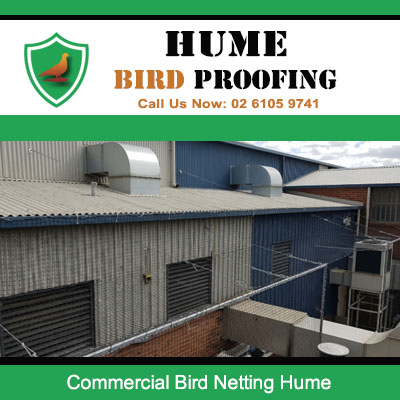
Choosing the right commercial bird netting is important for effective bird control solutions. Hume commercial bird netting offers different options to suit various bird species and environments. Knowing the types, materials, and features of bird netting commercial products will help you pick a durable and effective bird deterrent.
Hume bird netting comes in both knotted and knotless mesh types. Knotted netting is heavier duty and more durable, making it good for larger birds like seagulls and pigeons. Knotless netting is lighter and less rough but still works well for smaller bird species.
Materials such as nylon, HDPE (high-density polyethylene), stainless steel wire, and polyester are common in commercial nets. Nylon and polyester provide strength and flexibility, while stainless steel wire is very tough for harsh conditions. HDPE is often UV stabilised to last longer outdoors.
Mesh size is important for bird proofing. Smaller mesh stops small birds and pests from entering, while larger mesh suits bigger birds. Picking the right mesh size based on the bird species helps with pest management.
When selecting duty bird netting, focus on heavy-duty, protective, and weather-resistant features. Durable commercial bird netting gives long-lasting protection and lowers maintenance. Effective bird deterrents from trusted suppliers like Hume Bird Proofing offer reliable protection for commercial uses.
What are the different types of netting appropriate for various bird species?
Different bird species need specific netting types for effective bird control solutions.
- Knotted Netting: Strong and heavy-duty, best for large birds such as pigeons and seagulls. The knots make the netting tougher for tough conditions.
- Knotless Netting: Lightweight and softer, suitable for small birds or short-term setups. It is easier to handle during installation.
- Mesh Size Options:
- Small mesh (12mm to 25mm) blocks small birds and pests.
- Medium mesh (25mm to 50mm) fits medium-sized birds.
- Large mesh (over 50mm) is good for large birds and better visibility through the netting.
- Material Choices:
- Nylon and polyester give flexibility.
- HDPE offers UV resistance and is waterproof.
- Stainless steel wire is very durable for tough environments.
Picking the right type of Hume commercial bird netting ensures an effective bird deterrent that meets your pest management needs.
How do environmental factors influence the selection of bird netting?
Environmental conditions affect which bird netting is best.
- Climate and Weather: Areas with strong sunlight need UV-stabilised netting to stop damage from UV rays.
- Wind and Temperature: Heavy-duty, tight mesh stands up to strong winds and changing temperatures.
- Hail and Rain: Waterproof and weather-resistant materials last longer in wet areas.
- Local Conditions: In places like the Australian Capital Territory, Victoria, and Western Australia, use netting proven to handle local weather.
Hume bird netting includes weather-resistant materials and treatments to give long-lasting protection. UV protection and strong construction help the netting last outdoors. This provides reliable bird proofing all year round.
What are the key considerations when choosing between different bird netting suppliers?
The right supplier affects product quality and service. Consider these points:
- Quality and Certification: Choose verified and accredited suppliers who sell certified commercial bird netting meeting industry standards.
- Product Range: Suppliers with different commercial nets, including knotted and knotless types, materials, and mesh sizes, offer more options.
- Warranties and Guarantees: Look for suppliers offering warranties. This shows confidence in their products’ durability and performance.
- Customer Service and Support: Good bird netting services include expert advice, installation help, and after-sales support.
- Competitive Pricing: Compare prices but don’t compromise on quality. Trusted suppliers balance cost and quality.
- Delivery and Installation Services: Fast delivery and professional installation make projects easier.
- Brand Reputation and Reviews: Choose well-reviewed brands like Hume Bird Proofing for trustworthy service and reliable results.
Reviewing these factors helps you make a confident choice for effective bird control.
How to effectively measure the area and how much netting is needed?
Measuring correctly ensures you buy enough netting and avoid waste. Follow these steps:
- Measure Size:
- Measure the length and width of the area in metres.
- For irregular shapes, break the area into smaller parts for accuracy.
- Calculate Coverage: Multiply length by width to get total square metres.
- Add Extra Material: Add 10-15% more for overlaps, securing edges, and errors.
- Check Roll Size: Find out the roll widths and lengths available to decide how many rolls you need.
- Plan Cutting and Fitting: Have tools to cut netting without damage; neat installation improves durability.
- Use Measuring Guides: Many suppliers offer guides or online calculators to help estimate netting needed.
Careful measuring before ordering from Hume Bird Proofing helps keep costs down and ensures effective bird proofing.
If you have questions about choosing the right commercial bird netting, leave a comment or contact us for help with bird control solutions made for your needs.
Sources:
- Bird Control Group Australia, "Choosing Bird Netting Materials," https://birdcontrolgroup.com.au/resources/choosing-netting-materials/
- Australian Pesticides and Veterinary Medicines Authority (APVMA), "Pest Management Guidelines," https://apvma.gov.au/pest-management-guidelines
- CSIRO, "UV Stabilisation in Outdoor Polymers," https://www.csiro.au/en/research/environmental-impacts/uv-resistance
For advice and high-quality commercial bird netting, trust Bird Proofing in Hume, experts in strong and reliable bird deterrent systems.
Installation and Maintenance of Commercial Netting
Proper installation and regular maintenance of commercial bird netting are essential for effective bird control in workplaces across NSW, Victoria, Western Australia, and the Australian Capital Territory. Using quality materials, correct mounting methods, and following safety guidelines help ensure the netting lasts and performs well under various weather conditions.
What steps can ensure durable netting installation for long-term bird deterrent?
To install commercial bird netting that offers durable, long-term protection, follow these key steps:
- Site Assessment and Planning
Check the area for bird activity, entry points, and suitable mounting spots such as girders and purlins. Good planning ensures secure attachment and effective bird control. - Choosing Quality Materials
Use UV stabilised polyethylene (HDPE) mesh with stainless steel wire or strong rope. These materials resist weather damage, corrosion, and UV rays, making the netting last longer. - Mounting Hardware and Attachment
Fix the netting using swages, crimps, brackets, and fasteners suited to the building structure. This ensures firm and safe attachment on girders, purlins, or other points. - Tool Use and Workplace Safety
Use the right tools for tightening and fixing the net. Follow workplace safety rules, including wearing personal protective equipment (PPE) and using fall protection when working at heights. - Tensioning and Inspection
Keep the netting tight to avoid sagging, which reduces bird proofing effectiveness. Check all attachments during installation to confirm they are secure.
Following these steps results in a strong, weather-resistant commercial bird netting solution that provides long-term pest management and meets safety standards.
How do you properly maintain commercial bird netting?
Proper maintenance keeps commercial bird netting in good condition and effective over time. Important maintenance tasks include:
- Regular Inspections
Look for holes, loose fittings, or wear from weather or birds. Check the condition of stainless steel wire and rope carefully. - Cleaning
Remove debris, dirt, and bird droppings to stop damage, especially on polyethylene mesh. - Repairs
Repair any damage quickly using patches, replacement ropes, or crimps. Prompt repairs prevent further problems. - Checking Weather and UV Resistance
Make sure the netting continues to resist UV rays and harsh weather, especially in sunny or wet areas. - Professional Support
Hire experienced installers for inspections and maintenance to keep the netting working well.
Regular maintenance supports workplace safety, protects assets, and maintains strong pest control with commercial bird netting solutions.
How often should commercial bird netting be inspected for damages?
The inspection schedule depends on weather and bird activity but follows these general rules:
- Routine Checks
Inspect visually every 3 to 6 months to find damage early. - After Severe Weather
Check the netting right after storms, strong winds, or heavy rain that could harm the mesh or mounts. - Warranty Conditions
Follow the manufacturer’s or installer’s warranty rules, which often specify when inspections are needed. - Workplace Safety and Pest Management Plans
Include inspections in your site’s safety and pest control routines to comply with local rules.
Regular inspections allow quick repairs, keep the netting effective, and help maintain a safe environment for staff and visitors.
What safety precautions should be taken during netting installation?
Safety during commercial bird netting installation protects workers and ensures quality work. Key precautions are:
- Risk Assessment
Identify hazards like working at height, tool misuse, or unstable surfaces before starting. - Personal Protective Equipment (PPE)
Use helmets, gloves, safety harnesses, and non-slip shoes. - Training and Compliance
Use trained installers who know how to handle swages, crimps, ropes, and brackets safely and follow workplace safety laws. - Safe Tool Handling
Use tools properly to avoid injuries and damage to the netting. - Watch the Weather
Avoid installation during bad weather like strong winds or rain to reduce accident risk.
Following these safety steps ensures a safe, compliant installation and maintains the quality of commercial bird netting.
For professional commercial netting installation and maintenance, contact Hume Bird Proofing. Our qualified installers offer reliable, long-lasting bird control with excellent customer service and warranty support.
Have questions or experiences with bird netting? Share them in the comments below. Our team is ready to assist you.
Sources:
- Safe Work Australia – Managing Risks in Construction (https://www.safeworkaustralia.gov.au)
- Australian Pesticides and Veterinary Medicines Authority – Pest Management Guidelines (https://apvma.gov.au)
- Material Safety Data Sheets for HDPE and Stainless Steel Wire Specifications
Cost Considerations and Regulatory Compliance
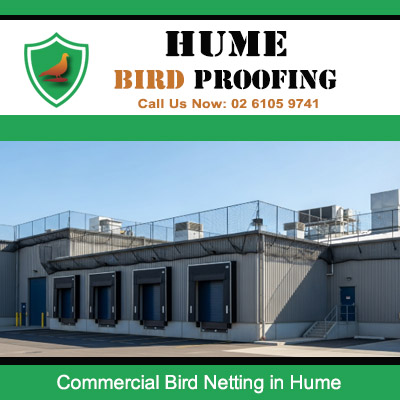
When planning bird control solutions for commercial properties, it is important to understand the budget, cost factors, and regulatory requirements. Investing in effective commercial bird netting offers long-term benefits such as durability, workplace safety, and compliance with pest management rules.
Budget and Cost Factors for Commercial Bird Netting
The price of commercial bird netting depends on several factors:
- The size and area of the installation
- The type and quality of netting supplies
- Environmental conditions that affect material choice and lifespan
- The complexity of installing the netting
- Local costs, including labour and necessary permits
It is wise to get a detailed quote from verified suppliers. Compare competitive pricing along with warranty options and customer service support to make sure your investment offers good value and reliable service.
Regulatory Requirements and Compliance in Australia
Following local regulations in Australia is required for commercial bird netting installations. This means:
- Getting the required permits before installation
- Meeting workplace safety standards during and after installation
- Complying with laws that protect native wildlife and the environment
- Following pest management rules to ensure humane and legal bird control
Not meeting these rules could cause fines or project delays. Working with experienced companies, like Hume Bird Proofing, helps to meet Australia’s regulations and keeps the project running smoothly.
Rebates and Incentives for Commercial Bird Control
Some areas in Australia offer rebates or government incentives to support pest management on commercial properties. These rebates can help reduce costs for:
- Buying commercial bird netting solutions
- Professional installation services
- Maintenance and repairs of bird control systems
Check with your local council or environmental agencies to find out what rebates are available to help lower your expenses and improve financial planning.
Choosing the Right Commercial Bird Netting Installation Service
Protect your investment by choosing professionals who provide:
- Expert advice on durable commercial nets
- Verified experience working with commercial properties
- Competitive pricing and clear payment options
- Ongoing support and warranty coverage
Trusted providers make the installation process easier, ensure compliance with regulations, and keep your system effective against bird problems.
Are you thinking about commercial bird netting for your property? Contact us today for a free, no-obligation quote that fits your needs. Our expert team will guide you through compliant, cost-effective solutions designed for Australian commercial environments.
For more information on bird control rules and installation methods, visit local government resources or pest management experts like Pestrol.
Your feedback helps improve community knowledge. Share your questions or experiences below to support better bird management practices.
What types of commercial bird netting solutions are available for pest control in industrial settings?
We offer a range of commercial bird netting solutions designed for factories, warehouses, and other commercial buildings. Our options include heavy-duty nets, fire retardant netting, and shade sails that protect against birds while allowing ventilation and easy access.
How durable and safe are the netting materials used for bird-proofing commercial spaces?
Our netting is made from strong aluminium and tough fabrics rated 70gsm or higher. The materials are waterproof, UV resistant, and built to handle harsh Australian weather. They meet safety and hygiene standards, making them safe to use near solar panels, ventilation systems, and other sensitive areas.
Can I install bird net curtains or canopies myself, or is professional installation recommended?
You can install bird net curtains or canopies yourself using our simple accessories like eyelets, zippers, and sleeves. For larger or more complex setups, such as in polytunnels or composting areas, professional installation is recommended to ensure proper fit and maximum protection.
Are there specific regulations or legal rules when using bird netting on commercial properties?
Yes, some areas have rules to protect native species and wildlife. We provide information and support about local rules, including permit requirements for large installations in places like Lyneham and the Northern Territory.
How does commercial bird netting compare to other bird control methods like spikes or traps?
Bird netting is a humane and chemical-free way to stop birds from entering certain areas. It is more flexible than spikes and less disruptive than traps, making it ideal for protecting fruit crops, nursery plants, and sensitive equipment.
What maintenance is needed to keep commercial netting working well for a long time?
Check your netting regularly for damage, especially after bad weather. Clean it gently to remove dirt and prevent mildew. Store removable nets properly to keep their fire retardant and waterproof features.
Can bird netting be customised for unique commercial areas like greenhouses or solar panel setups?
Yes, we can customise netting size and mesh micron size to suit different birds and environments. Options include various widths like 450mm or larger sizes, plus fittings for aluminium frames and ventilation areas.
How cost-effective are commercial netting solutions compared to ongoing pest damage or other methods?
Using quality commercial netting saves money over time by preventing damage to crops, machinery, and buildings. Our netting is competitively priced with bulk options and accessories, providing a strong, lasting barrier that lowers the need for extra pest control.
Where can I get more information or personal advice about commercial bird control?
You can contact our support team by email or sign up for our newsletter. We will help you choose the best commercial bird control solution for your needs.
Hume Commercial Bird Netting Insights
- We offer versatile bird netting Hume solutions designed for both commercial and residential use. Our products protect fruit fly-sensitive plants like blackberry in polytunnels and garden areas.
- Our Hume bird control items use strong materials with high micron ratings and extra heavy 70gsm shade cloth fabric. This helps protect plants from insects, snails, slugs, mice, and other pests common in composting and outdoor spaces.
- Installing netting hume is easy with special clips and twisted twine. It works well for different setups such as shade cloth covers, garden beds, and livestock areas, improving pest and bird protection.
- We provide a wide range of Hume commercial bird solutions, including parts like gearbox, crank, and diaphragm pump components. These support maintenance needs on farms and in factories.
- Our pest control products go beyond birds and include tools like mouse traps and protective barriers that fit with home and garden designs. All products meet local Australian standards.
- We supply containers such as buckets in 200ml, 250ml, and 500g sizes to hold pest repellents and plant protection additives. This makes using them around Lyneham and other areas simple.
- The fabric used in our netting is lightweight, waterproof, and built to handle outdoor weather. Features like secure zippers and clips make it easy to adjust coverage.
- All items are verified for quality and offered at fair prices. We provide wholesale options, special offers, and clear advice on shipping, payment, and installation for the best results.
- Our team is ready to help through direct contact, offering login access for order tracking and guides to select the right products. We aim to support all your bird proofing needs in commercial and home settings.
- We answer common questions about hume bird netting installation, upkeep, and regulations to help you protect your property while following environmental rules. Latitude: -35.39416248522323, Longitude: 149.1635672522618